How to Train for Mera Peak Climbing: A Comprehensive Guide by Everest Sherpa Expedition (ESE)
- 2025-03-11
Climbing Mera Peak, standing at 6,476 meters (21,247 feet), is a dream for many adventure enthusiasts. As the highest trekking peak in Nepal, it offers a thrilling challenge combined with breathtaking views of the Himalayas. However, reaching the summit requires not only mental determination but also physical preparation. At Everest Sherpa Expedition (ESE), led by IFMGA-certified guides and mountaineering instructors, we believe that proper training is the key to a successful and enjoyable climb. In this blog, we’ll guide you through the essential steps to prepare for your Mera Peak adventure.
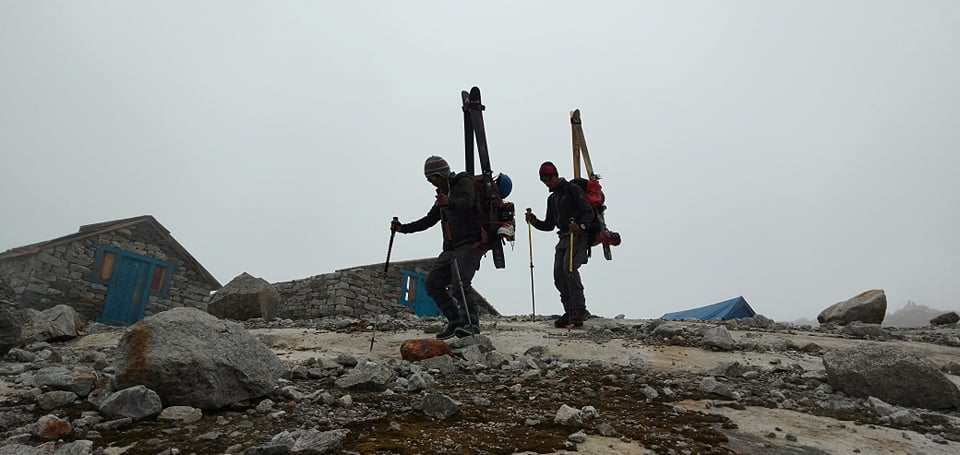
Why Training is Crucial for Mera Peak Climbing
Mera Peak is a non-technical climb, but it demands a high level of fitness, endurance, and acclimatization. The trek involves long days of hiking, steep ascents, and navigating high-altitude terrain. Proper training ensures that you can handle the physical demands, reduce the risk of injury, and fully enjoy the experience.
Training Plan for Mera Peak Climbing
1. Build Cardiovascular Endurance
Cardiovascular fitness is essential for long days of trekking and climbing. Focus on activities that elevate your heart rate and improve stamina.
- Running or Jogging: Aim for 3-4 sessions per week, gradually increasing distance and intensity.
- Cycling: Great for building leg strength and endurance.
- Swimming: A low-impact workout that improves lung capacity and overall fitness.
- Hiking: The best way to simulate trekking conditions. Start with shorter hikes and gradually increase the duration and elevation gain.
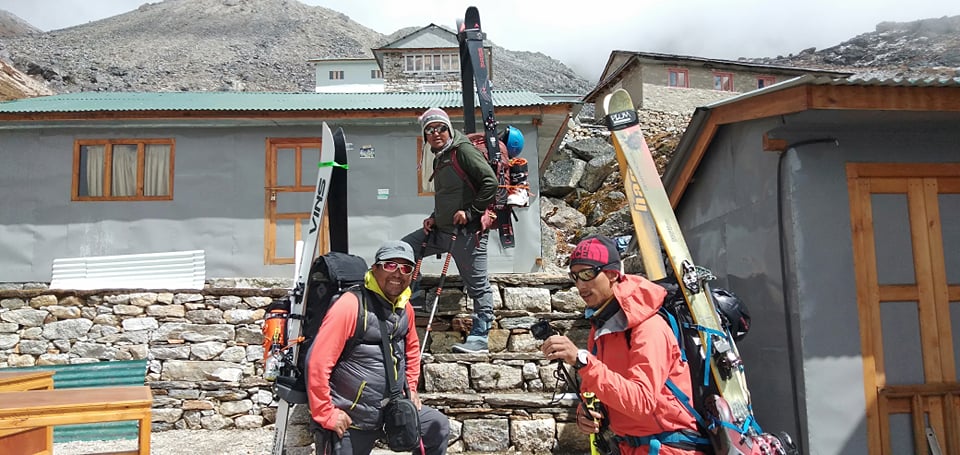
2. Strengthen Your Legs and Core
Strong legs and a stable core are vital for carrying a backpack, navigating uneven terrain, and climbing steep slopes.
- Squats and Lunges: Incorporate bodyweight or weighted squats and lunges into your routine.
- Step-Ups: Use a sturdy bench or step to mimic climbing motions.
- Planks and Core Exercises: Strengthen your core to improve balance and stability.
- Calf Raises: Build calf muscles for steep ascents and descents.
3. Improve Flexibility and Balance
Flexibility and balance are crucial for navigating rocky and uneven terrain.
- Yoga or Stretching: Incorporate yoga sessions or stretching routines to improve flexibility and prevent injuries.
- Balance Exercises: Practice single-leg stands or use a balance board to enhance stability.
4. Practice with a Backpack
During the climb, you’ll be carrying a backpack with essential gear. Train with a loaded backpack to simulate real conditions.
- Start Light: Begin with 5-7 kg and gradually increase the weight to 10-15 kg.
- Hike with a Pack: Take your loaded backpack on training hikes to get used to the weight and distribution.
5. Acclimatization Training
Altitude sickness is a real concern when climbing Mera Peak. While physical training won’t fully prepare you for high altitude, you can take steps to improve your body’s ability to acclimatize.
- High-Altitude Hikes: If possible, train at higher elevations to simulate altitude conditions.
- Breathing Exercises: Practice deep breathing techniques to improve lung capacity.
6. Mental Preparation
Climbing Mera Peak is as much a mental challenge as it is a physical one. Prepare yourself for the mental demands of high-altitude climbing.
- Visualization: Visualize yourself successfully reaching the summit.
- Positive Mindset: Stay motivated and focused on your goal.
- Learn About the Climb: Familiarize yourself with the route, challenges, and what to expect.
Training Timeline
3-6 Months Before the Climb
- Focus on building a strong fitness base.
- Incorporate cardio, strength training, and flexibility exercises into your routine.
- Start hiking with a light backpack.
1-2 Months Before the Climb
- Increase the intensity and duration of your workouts.
- Hike with a heavier backpack on varied terrain.
- Practice climbing stairs or steep hills to simulate Mera Peak’s slopes.
2-3 Weeks Before the Climb
- Taper your training to allow your body to recover.
- Focus on maintaining fitness rather than pushing your limits.
- Ensure all your gear is ready and tested.
Why Choose Everest Sherpa Expedition (ESE)?
At Everest Sherpa Expedition, we are committed to providing a safe, enjoyable, and unforgettable climbing experience. Our team of IFMGA-certified guides and mountaineering instructors brings years of experience and expertise to ensure your success on Mera Peak. Here’s why climbers trust us:
- Expert Guidance: Our IFMGA-certified guides are trained to handle all aspects of high-altitude climbing.
- Safety First: We prioritize safety with thorough risk assessments and emergency preparedness.
- Personalized Support: We tailor our expeditions to meet the needs of each climber.
- Sustainable Practices: We are committed to responsible tourism and supporting local communities.
.jpg)
Final Thoughts
Training for Mera Peak climbing is a journey in itself. By following a structured training plan and preparing both physically and mentally, you’ll be ready to tackle this incredible adventure. At Everest Sherpa Expedition, we’re here to support you every step of the way. Whether you’re a seasoned climber or a first-time trekker, our team will ensure you have the best possible experience.
Ready to take on Mera Peak? Contact us today to book your expedition and start your training journey with the experts at Everest Sherpa Expedition!
Follow us on social media for more tips, stories, and updates on our expeditions!
#MeraPeak #EverestSherpaExpedition #HighAltitudeClimbing #AdventureAwaits